Accommodation & Stay
From oceanfront ryokan to temple lodgings — discover Japan's most unique island stays
Where You Stay Shapes Your Journey
Accommodation in Japan is not merely a place to sleep — it is a portal into the culture, hospitality, and philosophy of the islands themselves. A night in a traditional tatami ryokan, where a kimono-clad attendant brings multi-course kaiseki meals to your paper-screened room and a volcanic mineral bath awaits under open skies, is an experience that no standard hotel can replicate.
Japan's island destinations offer a remarkable spectrum of stays. In Okinawa you might find a boutique eco-lodge overlooking coral reefs. On a Seto Inland Sea island, a restored fisherman's house turned guesthouse puts you at the heart of the fishing community. In Hokkaido's highlands, a family-run minshuku serves a breakfast of freshly caught seafood and home-grown vegetables beside a wood-burning stove.
Choosing accommodation that fits both your destination and your travel values is one of the most rewarding decisions you will make. The following guide explores every style of island stay available in Japan, from intimate temple lodgings where mornings begin with meditation, to glamping sites where you fall asleep to the sound of waves.
Types of Accommodation
Each style of Japanese accommodation carries its own atmosphere, rituals, and relationship with the landscape around it. Explore the full range below.
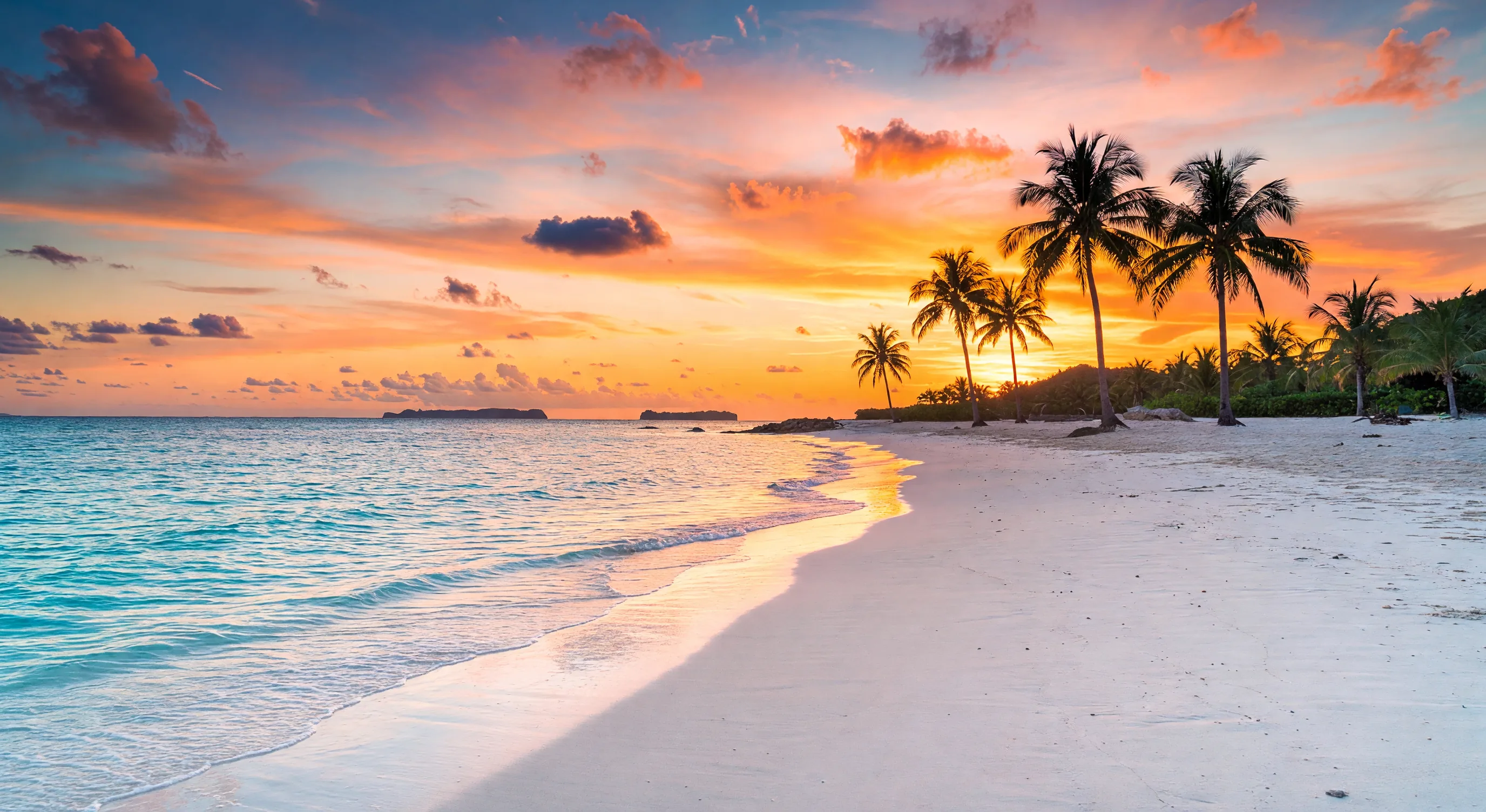
Ryokan
¥15,000 – ¥80,000+ per person
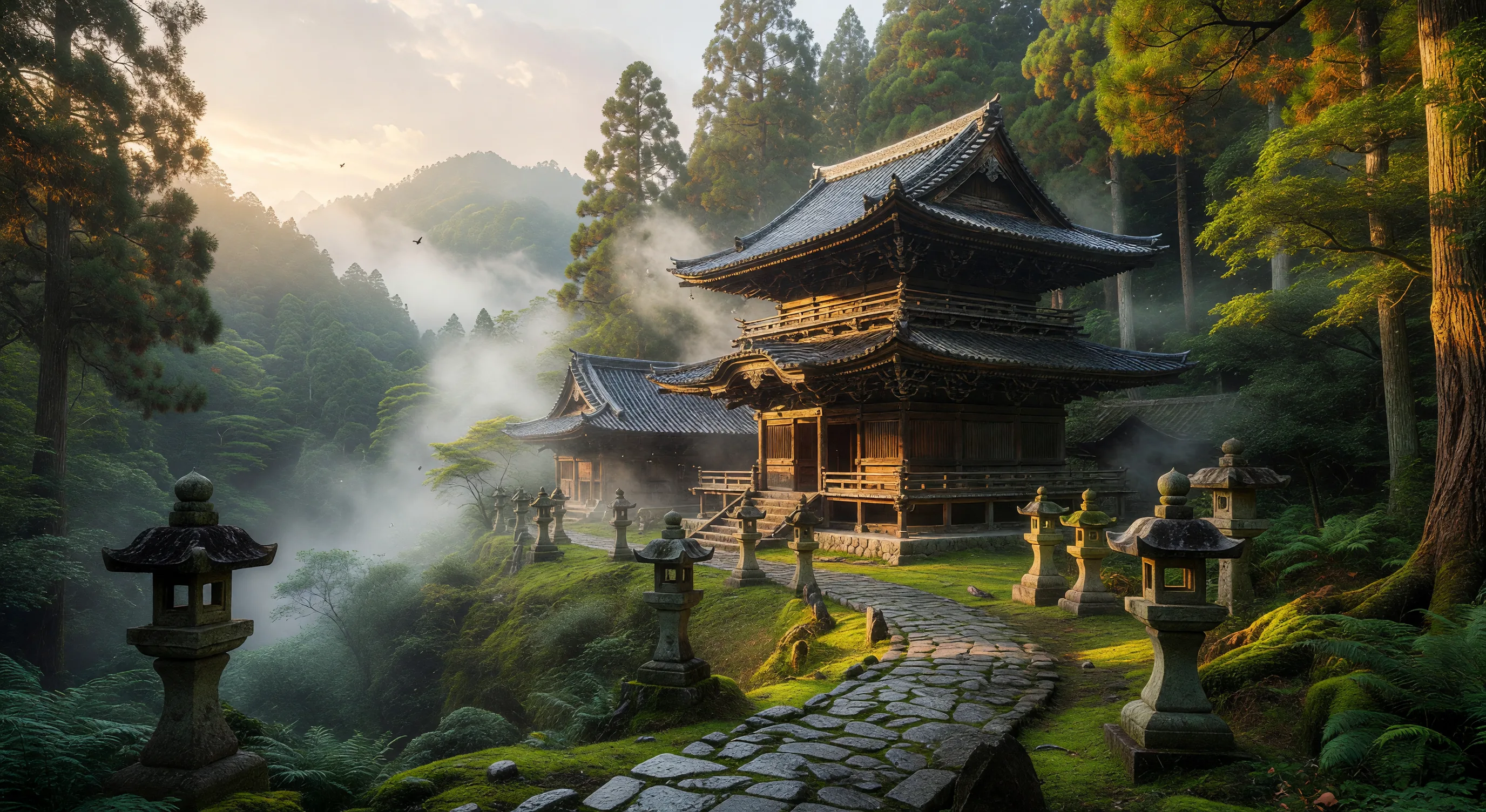
Japan's iconic traditional inns, where tatami floors, sliding shoji screens, and seasonal kaiseki cuisine create an unforgettable experience rooted in centuries of hospitality.
- Tatami room with futon bedding
- Multi-course kaiseki dinner & breakfast
- Yukata (casual kimono) provided
- Private or shared onsen access
- Personal attendant (nakai-san)
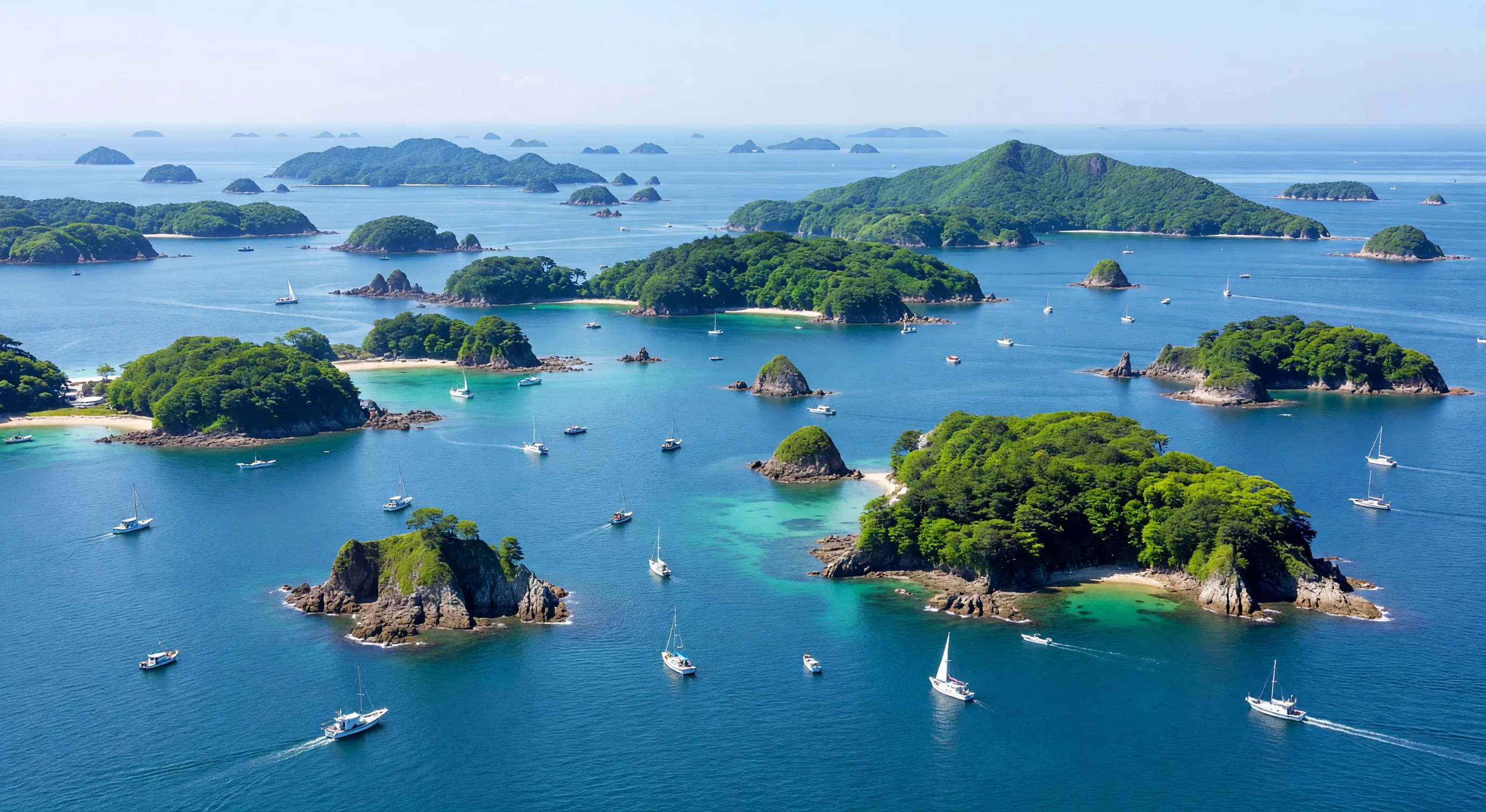
Minshuku
¥6,000 – ¥14,000 per person
Family-run guesthouses where the owners live on-site, cook home-style meals from local produce, and share stories of island life across the dinner table.
- Simple tatami or Western rooms
- Home-cooked breakfast & dinner
- Shared bathroom facilities
- Local family atmosphere & knowledge
- Often the only lodging on remote islands
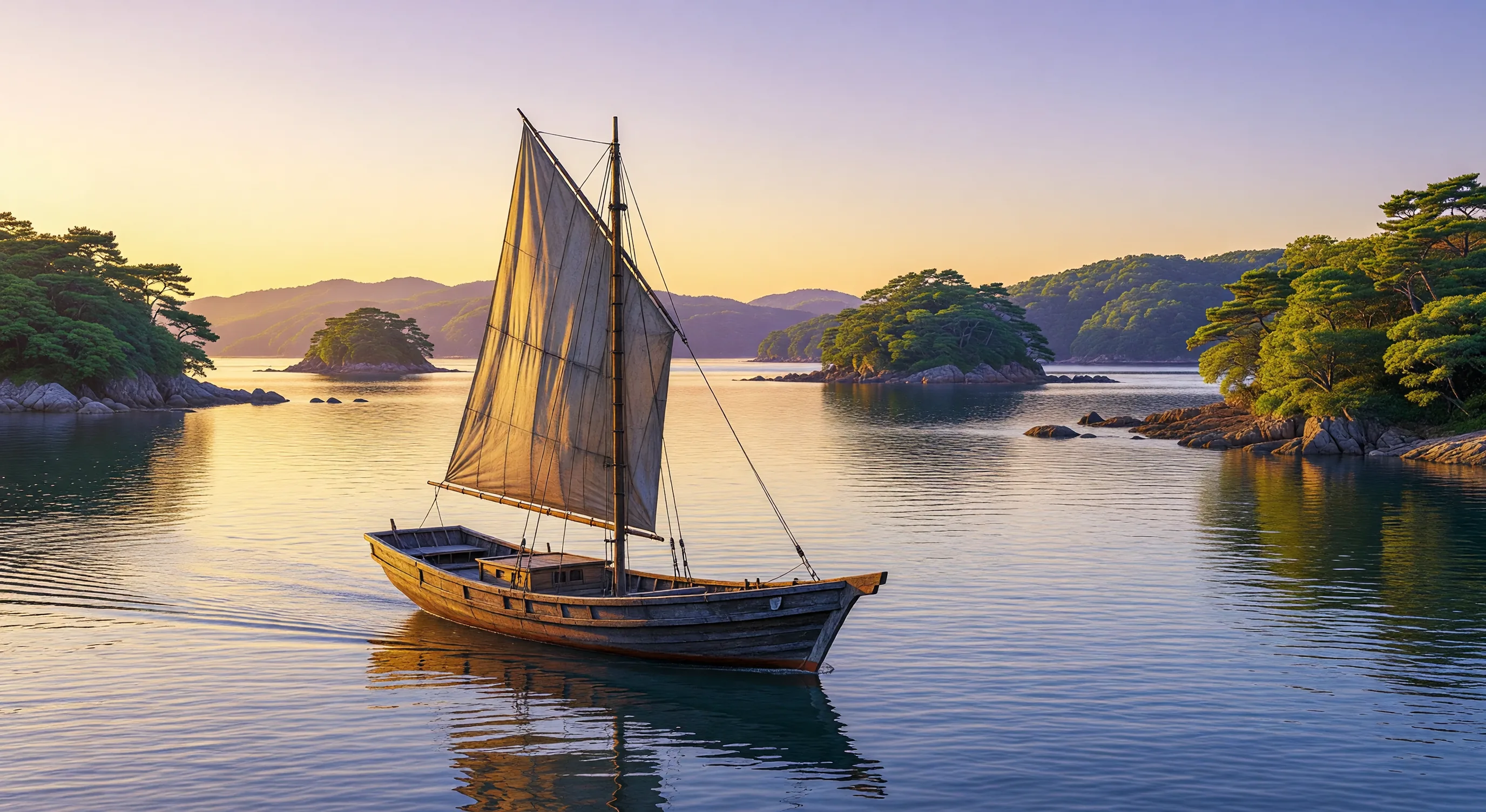
Shukubo (Temple Lodging)
¥8,000 – ¥16,000 per person
Stay within a working Buddhist or Shinto complex, participate in morning prayers, and dine on shojin ryori — the refined vegetarian cuisine of Japanese temple tradition.
- Tatami rooms within temple grounds
- Shojin ryori (vegetarian) meals
- Morning sutra chanting (optional)
- Meditation or zazen sessions available
- Deeply peaceful, minimal environment
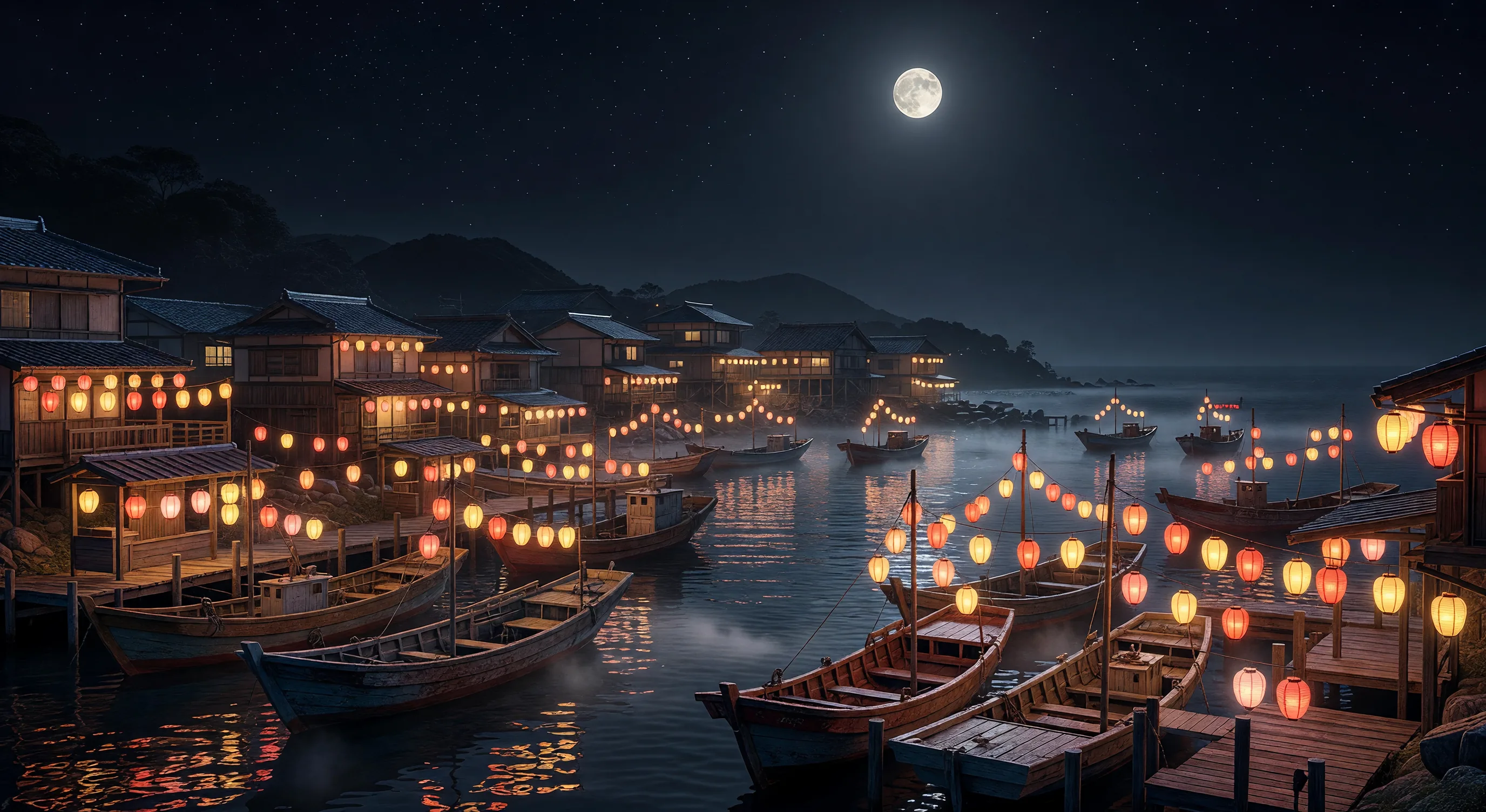
Boutique Hotels
¥18,000 – ¥60,000 per night
A growing category of independently owned design hotels that blend contemporary aesthetics with strong local identity — crafted materials, island-sourced menus, and considered details throughout.
- Contemporary rooms with local design elements
- Restaurant serving regional ingredients
- Concierge with local expertise
- Often located in repurposed historic buildings
- Private outdoor bathing or terrace
Guesthouses & Hostels
¥2,500 – ¥7,000 per person
Well-designed shared accommodation options that foster traveler community. Japan's guesthouses are renowned for their cleanliness, thoughtful common spaces, and hosts who are passionate local advocates.
- Dormitory beds or private rooms
- Shared kitchen & lounge areas
- Communal breakfast often available
- Notice boards with local tips & events
- Central locations with easy transit access
Glamping & Eco-Lodges
¥12,000 – ¥40,000 per night
Sleep in beachfront canvas lodges, hillside treehouses, or geodesic domes perched above mangrove forests. Japan's eco-lodging sector combines minimum environmental footprint with maximum natural immersion.
- Glamping tents, cabins, or domes
- Outdoor dining & barbecue facilities
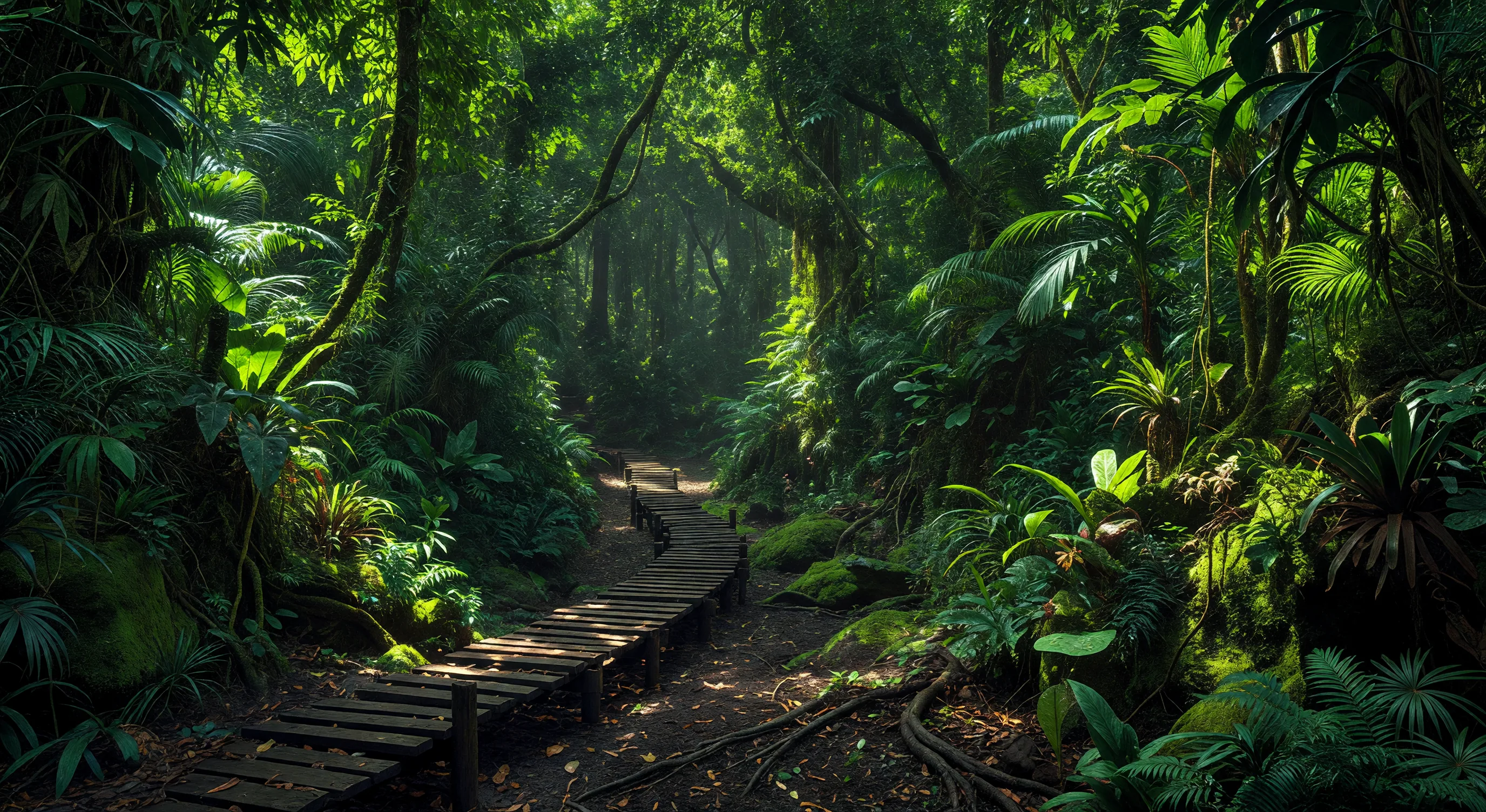
- Beachfront or forest settings
- Snorkeling, kayaking, nature guides
- Solar-powered, sustainable infrastructure
The Ryokan Experience
Arriving at a traditional ryokan is a transition into a different rhythm of life. You are welcomed at the entrance by your nakai-san — a personal attendant who will care for you throughout your stay — and asked to exchange your shoes for indoor slippers. The wooden corridors, the scent of tatami, the gentle clatter of ceramic tea sets being prepared: these sensory cues signal that something unhurried is about to begin.
Your room is a study in considered simplicity. A low table with floor cushions, a hanging scroll depicting the current season, a single ceramic flower arrangement. In the evening your attendant transforms the room, clearing the table and laying out the futon with practiced precision while you soak in the onsen.
The kaiseki dinner — served in your room or in a private dining area — unfolds across eight to twelve seasonal courses. Each dish is a meditation on local ingredients: perhaps raw sea bream from the morning catch, pickled mountain vegetables, a dashi broth so clear it could be water. Breakfast the following morning is equally considered: grilled fish, house-made tofu, pickled plum, miso soup.
- Check-in typically between 3pm–5pm; check-out by 10am–11am
- Yukata (casual cotton kimono) provided — wear freely around the inn
- Onsen etiquette: shower before entering, no swimwear, no photographs
- Dinner served early (6pm–7pm); inform inn of dietary needs in advance
- Some ryokan include private open-air baths (rotenburo) in premium rooms
- Tip jars not expected — excellent service is simply standard
Ryokan Etiquette Tips
- Remove shoes at the genkan (entrance); place neatly
- Wear indoor slippers but remove before stepping onto tatami
- Keep noise minimal — thin walls and paper screens carry sound
- Yukata are tied left-over-right; right-over-left is for mourning ceremonies
- Thank your nakai-san — a small bow of acknowledgment is warmly received
Where to Stay by Island Region
Each of Japan's island regions has its own accommodation culture, shaped by the landscape, history, and way of life of the people who call it home.
🌊 Okinawa
❄️ Hokkaido
⛵ Seto Inland Sea
🗻 Shikoku
🌋 Kyushu
Onsen: Japan's Island Hot Springs
Japan sits atop one of the world's most volcanically active zones, and the result is a country blessed with thousands of natural hot spring sources. The art of onsen bathing — slipping into mineral-rich thermal waters surrounded by mountain forest, sea mist, or open sky — is one of the most deeply restorative experiences Japan offers. Each onsen has a distinct mineral composition, colour, and therapeutic property.
Beppu
Japan's most prolific hot spring city, with eight distinct onsen zones ("hells") producing over 130,000 kilolitres of spring water daily. The famous sand baths on Beppu Bay are a unique experience.
Kirishima
Nestled among the volcanic peaks of the Kirishima mountain range, these acidic sulphur springs have been valued for their skin-softening properties for over a millennium. Dramatic scenery surrounds every bath.
Noboribetsu
Hokkaido's trusted onsen resort, set in a volcanic valley called Jigokudani (Hell Valley). Nine different spring types — sulphur, salt, iron — flow from the valley, making it one of Japan's most mineral-diverse bathing destinations.
Nyuto Onsen
Seven rustic bathhouses deep in a beech forest, connected by mountain trails. Each has its own distinct water chemistry. Tsuru-no-yu, the oldest, is a picture of snowy perfection in winter — outdoor baths steaming beneath bare forest canopies.
Booking Tips & FAQs
Everything you need to know before reserving your island stay in Japan.
Find Your Perfect Island Stay
Our team of island specialists has personally visited and vetted accommodations across Japan's archipelago. Whether you are seeking a secluded ryokan with a private rotenburo, a charming family minshuku on a Seto Inland Sea island, or an eco-lodge above Okinawa's coral reefs, we can help you find the perfect match for your travel style and budget.
Share your details below and our team will send you personalised accommodation recommendations — curated for your specific islands, dates, and preferences.
hello@fastfoodspot.com
2-11-3 Chatan, Okinawa, Japan